Holland Velvet vs Italian Velvet: Abrasion, Shading & Pet Durability Comparison
Compare warp-knit Holland velvet and classical woven Italian velvet across Martindale rub tests, pet resistance, maintenance, and cost.
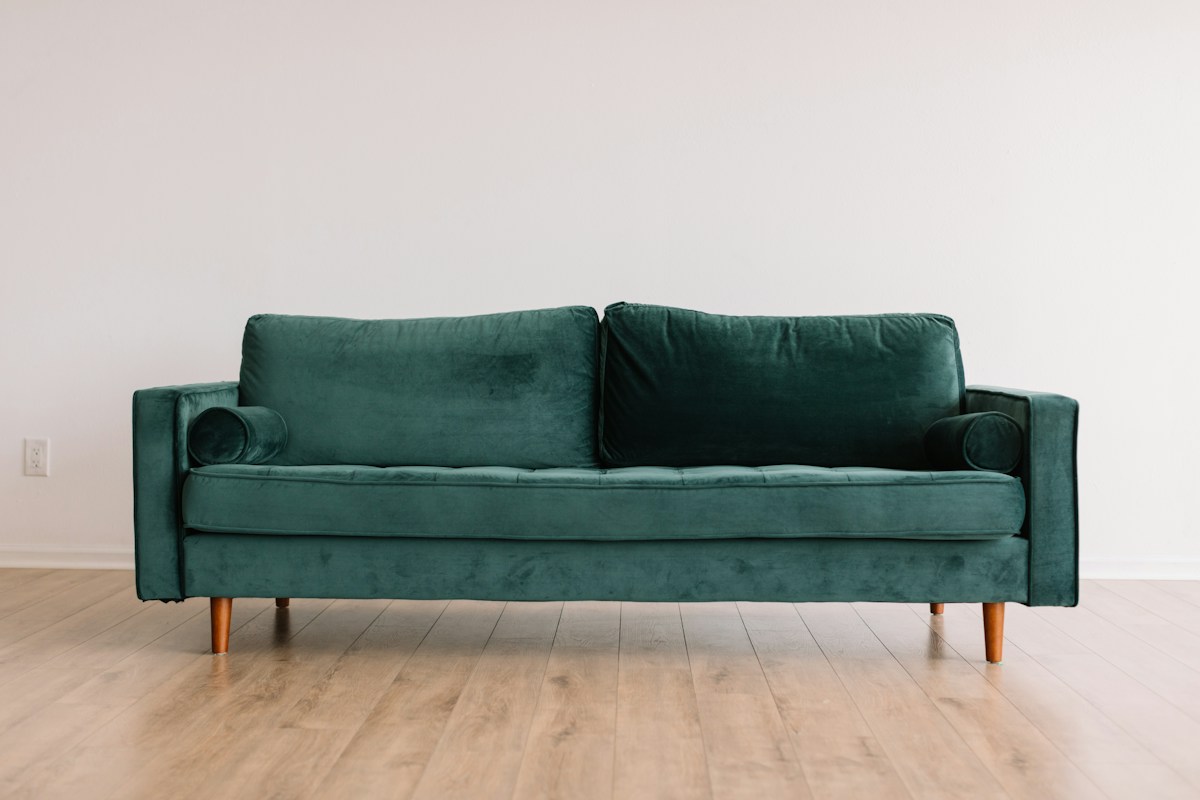
In modern furniture architecture and commercial textile engineering, selecting the appropriate textile substrate is vital. This guide delivers verified data from Emm Emm Velvet’s Panipat laboratory, highlighting mechanical performance, tensile resilience, and structural lifespan.
1. Key Engineering Parameters
Our ISO-certified laboratory assessments focus on three primary durability factors:
- Martindale Abrasion Endurance: Evaluated under 12 kPa pressure to simulate decades of seated friction.
- Composite Backing Integrity: Preventing seam rupture, fraying, and tensile delamination under tension.
- Hydrophobic Surface Coating: Repelling water-based spills before liquid penetrates inner foam cores.
Architect's Takeaway
Always verify roll GSM and backing bond strength prior to cutting. Specifying 400+ GSM ensures long-term seam stability across high-traffic residential suites.
2. Recommended Maintenance & Care
To retain original pile density, vacuum weekly with a soft bristle attachment. For water spills, immediately blot with an absorbent microfiber towel. Never iron directly on high-pile velvet; use low-pressure indirect steaming held 4 inches away to release pile pressure marks.
Request a Physical Swatch Book
Receive tactile shade cards and laboratory test certificates delivered directly to your workshop.
WhatsApp Sample Desk